In a world where people are becoming more conscious about their environmental footprint and the products they use daily, something as basic as toilet paper is suddenly in the spotlight. What used to be a simple household essential is now being questioned for its environmental impact, cost, and even its effectiveness. With climate concerns intensifying and sustainability becoming a global priority, a new wave of eco-friendly bathroom alternatives is emerging and the shift is happening faster than anyone expected.
Table of Contents
A Closer Look at Toilet Paper’s Environmental Impact
Many people never think about how toilet paper is produced or how much environmental damage it causes, but the numbers are staggering when you take even a quick look. According to the World Wildlife Fund (https://www.worldwildlife.org), millions of trees are cut down every year just to produce soft, disposable rolls that are used for seconds and thrown away. Beyond deforestation, the amount of clean water required to manufacture toilet paper is shockingly high, especially in a world where water shortages are becoming more common.
| Environmental Impact Category | Average Use per Toilet Paper Roll |
|---|---|
| Water Consumption | 37 gallons |
| Tree Fiber Used | 1.5 lbs |
| Chemical Processing | High (bleaching + softening) |
| Carbon Emissions | Moderate to High |
These numbers show exactly why countries and environmental agencies, including the U.S. Environmental Protection Agency (https://www.epa.gov), have been encouraging the adoption of more sustainable bathroom options.
The New Age of Eco-Friendly Cleaning Alternatives
Over the past few years, eco-friendly cleaning systems have improved dramatically, bringing in alternatives like water-based cleansing devices, reusable bamboo cloths, biodegradable wet sheets, and low-impact bamboo rolls that decompose naturally without stressing landfills. The most popular solution gaining global traction is water-cleaning technology, which many countries such as Japan and parts of Europe have used for decades. Modern cleansing attachments now fit easily onto existing toilets, making them extremely accessible for the average household.
The Surprising Hygiene and Comfort Benefits
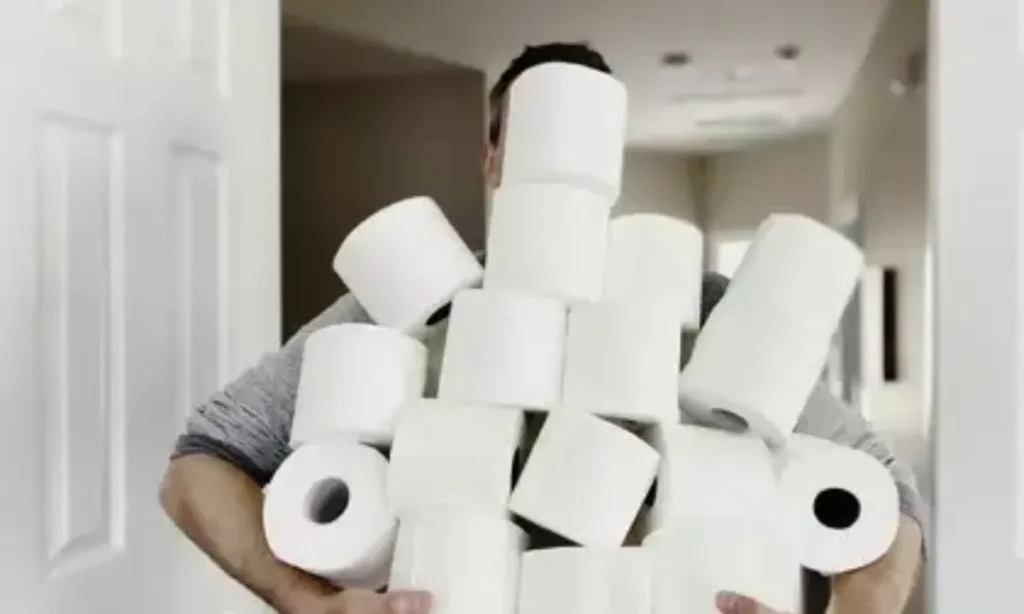
One of the biggest reasons people switch away from toilet paper is the dramatic improvement in comfort. Traditional toilet paper can leave behind residue, cause irritation, or create friction that’s uncomfortable for sensitive skin. Water-based systems, however, provide a clean, gentle wash that leaves people feeling fresher. Many dermatologists also note that cleansing with water can reduce rashes, hemorrhoid irritation, and dryness, which are often aggravated by harsh or scented toilet paper. Reusable bamboo or plant-fiber cloths offer soft textures that many describe as more pleasant and natural than paper.
How These New Systems Save Money Over Time
One of the biggest misconceptions is that eco-friendly bathroom upgrades are expensive, but the reality is the complete opposite when viewed long-term. Households spend hundreds of dollars every year on toilet paper without realizing how quickly those costs add up. By switching to reusable cloths or water-cleaning systems, families can dramatically reduce or even eliminate recurring expenses.
Simple Setup and Easy Transition for Households
Switching to eco-friendly alternatives is much easier than people imagine. Modern devices are user-friendly, sleek, and designed to fit into regular bathrooms without complicated installation. Reusable fabrics require no more care than a typical load of laundry, while water-cleaning systems come with adjustable pressure settings, temperature options, and self-cleaning features that make them extremely convenient.
Important Things to Know Before Switching
Here are a couple of key points people should keep in mind:
- Para: Water-cleaning devices use far less water than manufacturing a year’s worth of toilet paper.
- Para: Switching may take a few days to get used to, but comfort and hygiene benefits quickly outweigh the adjustment period.
A Global Shift Toward Sustainable Bathroom Habits
Around the world, hospitals, hotels, airports, and public facilities are adopting water-based systems to reduce waste and lower maintenance costs. Environmental groups continue pushing for reduced paper waste, and governments are beginning to offer guidelines that encourage water-efficient solutions. As climate concerns increase, bathroom habits are evolving from a private routine to an opportunity for sustainable action that benefits the planet.
FAQs
Q1: Are water-cleaning systems safe for children and elderly users?
Yes. Most modern systems come with adjustable pressure settings, making them safe and comfortable for users of all ages.
Q2: Do eco-friendly alternatives require a lot of maintenance?
Not at all. Reusable fabrics are machine-washable, and bidet attachments are designed with self-cleaning nozzles.
Q3: Does switching really save money?
Absolutely. Most households save hundreds annually by reducing or eliminating toilet paper purchases.
Q4: Are these systems hygienic?
Yes. Water-based cleansing is considered more hygienic because it washes instead of wiping, reducing bacteria and irritation.
Q5: How hard is it to install a water-cleansing attachment?
Most models attach directly to existing toilets in minutes. No plumbing expertise is required.