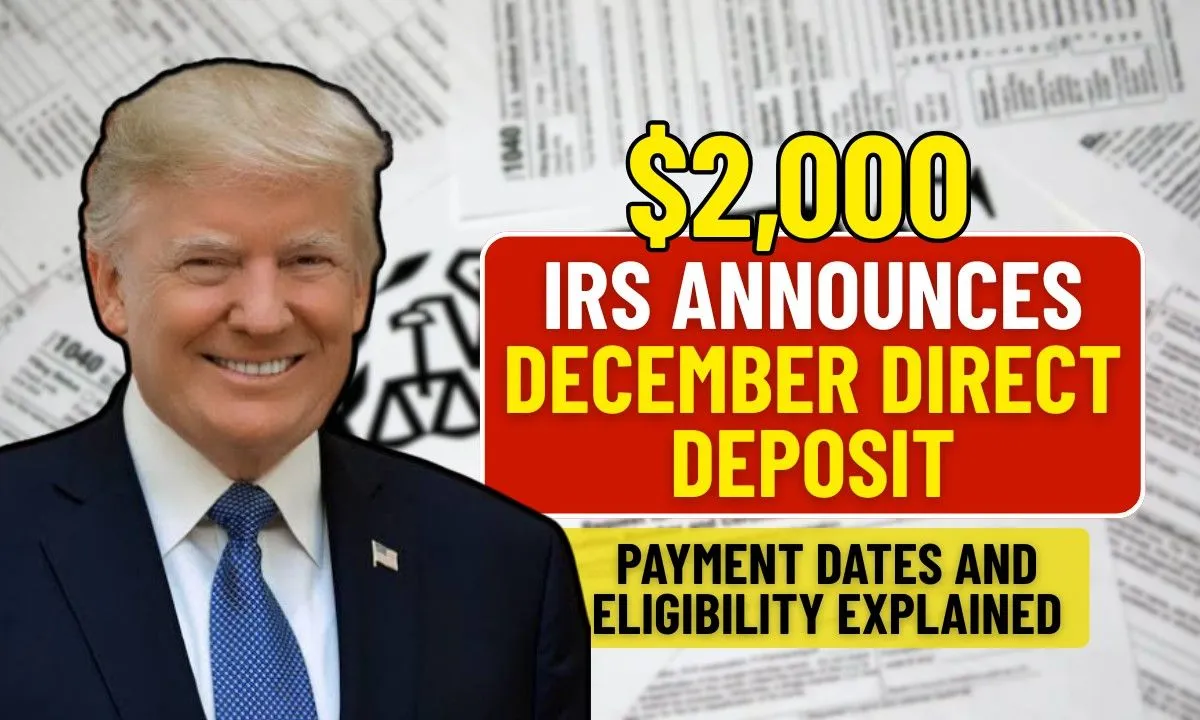
There’s a lot of chatter online right now claiming the IRS has approved a $2,000 direct deposit payment for December 2025 to help Americans with holiday costs and rising expenses. But here’s the most important thing you need to know before you get your hopes up the Internal Revenue Service (IRS) and the U.S. Department of the Treasury have not officially confirmed or authorized any such federal payment program for December 2025. These claims are circulating widely on social media and unofficial websites but the official government hasn’t verified them.
Table of Contents
What People Are Talking About And Where It Came From
Rumors of another federal cash payment have resurfaced because discussions around economic support measures like proposals to use tariff revenue for rebates have gained attention from political figures. Some reports online describe eligibility rules and December direct deposit timelines, but these narratives are based on speculation, not confirmed policy or IRS announcements. Any claim that the IRS has formally approved a nationwide $2,000 payment lacks official source confirmation.
Why This Matters, How Federal Payments Are Actually Authorized
Unlike state programs or local rebates, federal stimulus payments or direct deposits must be authorized by Congress and signed into law before the IRS can distribute funds. Simply talking about a plan on social media or even in press remarks doesn’t create an entitlement to a payment. For example, proposals floated by public figures such as a so‑called tariff dividend suggest possible future payments but have not been enacted into law, meaning there’s currently no legal pathway for the IRS to send $2,000 checks this December.
What Is Actually Happening Right Now
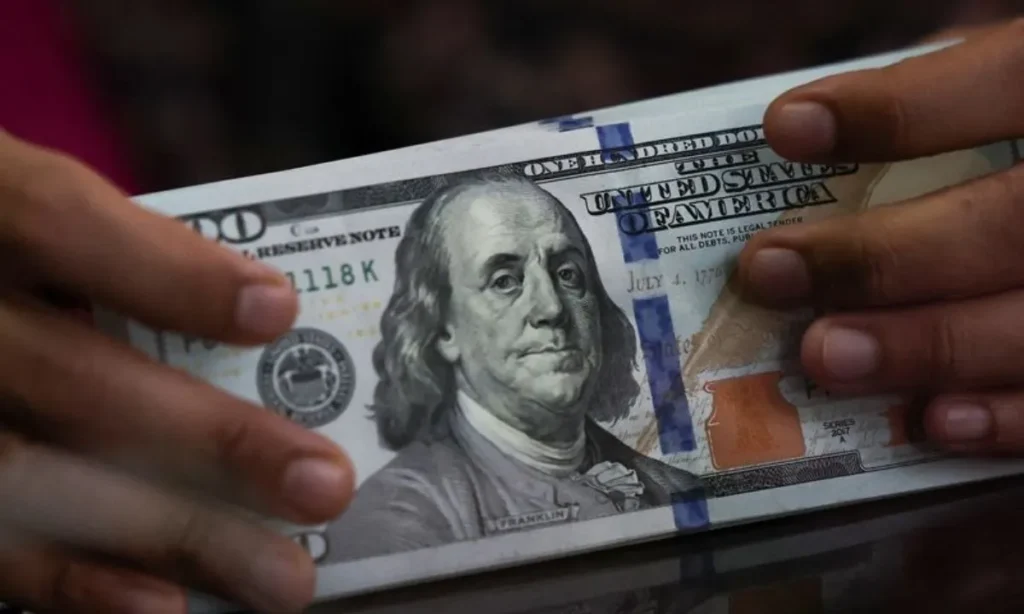
Even though there’s no confirmed $2,000 payment for December 2025, there are routine and legitimate IRS transactions happening around this time of year. Tax refunds and adjustments for people who filed early or amended returns may still be processed and deposited. Earlier in 2025, some taxpayers received automatic payments to cover unclaimed stimulus credits from previous years. Additionally, Social Security and other agencies will mail important tax forms like SSA‑1099 starting in late December. These are all legitimate IRS and federal actions but they are not new stimulus checks.
Why the Rumor Persists
There are a few reasons why this $2,000 story has taken off. People remember the large Economic Impact Payments in 2020-21 and assume similar checks will happen again. Discussions about tariff dividend proposals and other possible rebates add fuel to the speculation, even though these are not yet law. Finally, false posts and scammy websites often use urgent language (“claim now!”) to lure people into sharing sensitive data, further spreading misinformation.
What You Should Do
If you’re hoping for any federal benefit or payment, the best approach is to stay informed through official IRS channels. Do not click on suspicious links or provide banking information or Social Security numbers in response to texts, emails, or calls claiming to speed up a payment. Keeping your tax filing up to date is important for legitimate refunds or credits, but it has nothing to do with a new $2,000 program. Staying cautious and informed protects you from scams and confusion triggered by misinformation.
Frequently Asked Questions (FAQs)
Q: Is the IRS sending $2,000 direct deposits in December 2025?
A: No. There is currently no official IRS program or congressional authorization for a nationwide $2,000 stimulus or relief payment to be issued in December 2025.
Q: What’s the latest official federal payment from the IRS?
A: The only recent automatic federal payments relate to unclaimed stimulus credits from prior years mostly completed by early 2025 and standard tax refunds or credits.
Q: Could something like this happen in 2026?
A: Proposals have been discussed, including ideas tied to tariff revenues, but none of these have become law yet. Legislation would have to be passed and signed before any payments could occur.
Q: How can I tell if a payment claim is fake?
A: The IRS never asks for sensitive personal information through texts or unsolicited emails, and it never charges a fee to issue a payment. If something feels urgent or suspicious, verify it directly through official IRS sources.