The Capital One $425 million class action settlement turned into one of the biggest financial stories of 2025 because it directly affected millions of everyday customers who trusted their 360 Savings accounts as a safe place to grow their money. The lawsuit claimed that Capital One kept older 360 Savings accounts at much lower interest rates while advertising newer, higher-yield accounts meaning long-time customers unknowingly earned far less interest than they should have over several years.
Table of Contents
Who Was Supposed to Be Included in the Payout
The proposed settlement cast a wide net, pulling in almost every customer who held a 360 Savings account at any point within the multi-year class period. This included current account holders, former customers, and individuals whose accounts were transitioned into updated savings products. The idea behind this broad eligibility was to make sure no affected customer slipped through the cracks, especially because interest shortfalls built up slowly over time.
| Customer Type | Status | Expected Method |
|---|---|---|
| Current 360 Savings customer | Eligible | Direct deposit |
| Former customer | Eligible | Mailed check |
| Migrated/converted accounts | Eligible | Automatically reviewed |
How Payments Were Originally Planned to Be Sent
One of the biggest selling points of the settlement was the promise of automatic payments. Customers would not need to complete lengthy forms or provide additional proof; instead, the settlement administrator would use Capital One’s internal records to calculate the exact interest difference for every eligible person. Payments were expected to be issued through direct deposit, digital transfers, or traditional checks, depending on what method the customer selected. There was also a premium-interest fund designed to give extra compensation to those who kept their accounts open longer, rewarding loyalty and long-term savings behavior.
Why the Judge Rejected the $425 Million Agreement
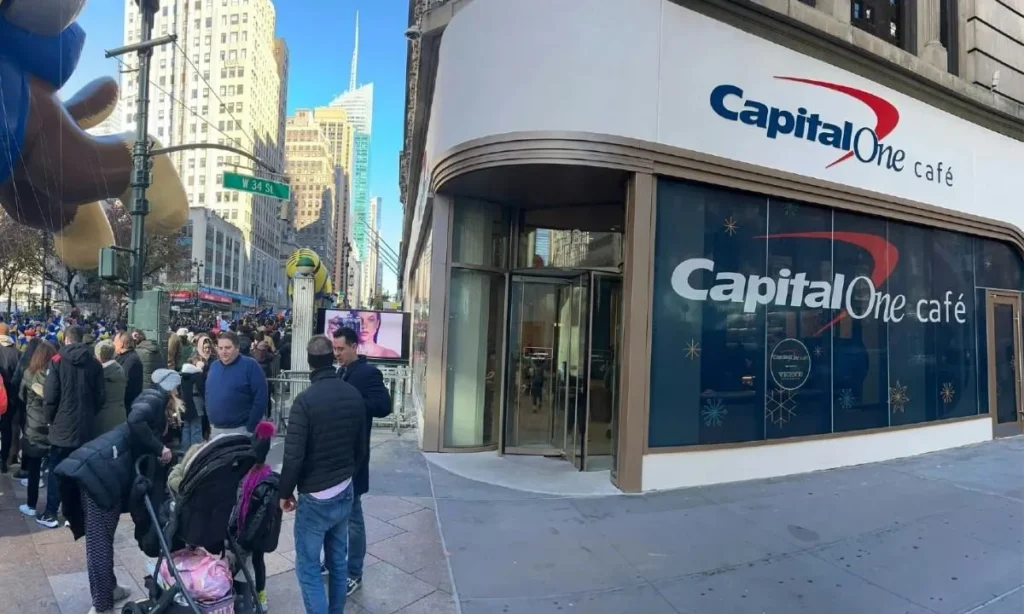
The sudden rejection of the settlement caught many off guard because the deal was already widely publicized and customers had begun receiving notices and settlement IDs. The federal judge ruled that the amount might not fully reflect the true losses customers suffered, especially considering how much interest they could have earned had the rates been competitive. The court also questioned whether the settlement adequately addressed ongoing issues, including interest-rate differences that might still exist between older and newer account types.
What Customers Should Expect Going Forward
Since the judge blocked the original settlement, all previously announced payment timelines, instructions, and notices are now on hold. Customers who were expecting deposits in late 2025 or early 2026 will not receive them until a new settlement is approved. Any prior claim portals, PINs, or selection deadlines may be replaced with updated versions once the revised agreement is released.
A Few Important Reminders
- Only trust updates from the official settlement administrator or official court website.
- Never respond to emails asking for bank details, login codes, or fees.
- Keep all notice letters in a safe place until new instructions arrive.
Protecting Yourself From Scams During the Delay
Whenever a large financial settlement is delayed, scammers rush in to fill the information gap. Customers should be extremely cautious of emails or text messages pretending to provide “early access,” “claim acceleration,” or “priority payouts.” These are almost always fraudulent. The real settlement administrator will never ask for fees, credit card details, or social security numbers through email. Staying patient and relying only on official sources is the best way to avoid being tricked while waiting for the revised settlement details.
The Capital One $425 million settlement was supposed to deliver long-awaited compensation to millions of customers who lost interest earnings because of lower-rate 360 Savings accounts. But after the federal judge rejected the proposal, everything paused, and customers must now wait for a revised agreement that could offer better compensation. Keeping official letters safe, staying alert to scams, and monitoring official announcements are the most important steps for now.
FAQs
- Will customers still get paid after the rejection?
Yes. The settlement is being renegotiated, and a revised version is expected. - Do I need to file a claim?
Most customers will still receive payments automatically, but new instructions may be issued. - Why were payments delayed?
Because the judge rejected the $425M proposal, halting the payout until a new agreement is approved. - Should I keep my notice letter or PIN?
Absolutely these documents may be required once the new version of the settlement launches. - When will the new settlement be announced?
No exact date yet, but customers should monitor the official court updates and settlement administrator notices.